A Wellness Founder's Journey
What was the innovative approach Paul and Barbi Schulick developed? What were the lessons from their 44-year journey? And why did Paul's latest venture, For The Biome, encounter headwinds?


What was the innovative approach Paul and Barbi Schulick developed? What were the lessons from their 44-year journey? And why did Paul's latest venture, For The Biome, encounter headwinds?

We broke a few stories this year: Mark and David Geier's victims; the plight of West Texas Mennonites; millions of "AI data annotation workers"; AI slop in US newspaper articles. But we selected this story as it describes our Founder's other "hat," a nonprofit called Eviva Partners.

I lit the candles - the top one, the shamash, and the first one of the eight, symbolizing the miracle of a little bit of oil lasting for eight days - and was about to put it on the windowsill. "No, not there," my grandmother waived me off. "People will see it."
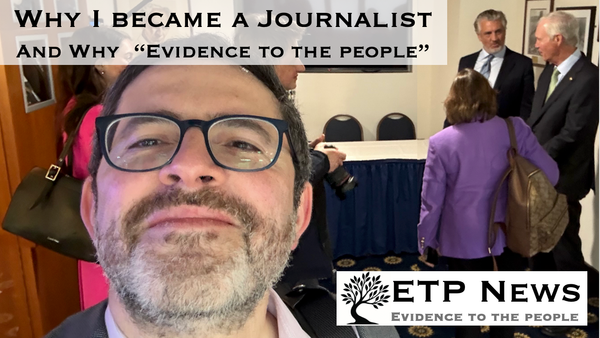
I'm doing a series of "Ask me anything" sessions this week with a provocative title, "Why I became a journalist, and why Evidence to the People" - please join! I'll share a story about the three people in the photo - does
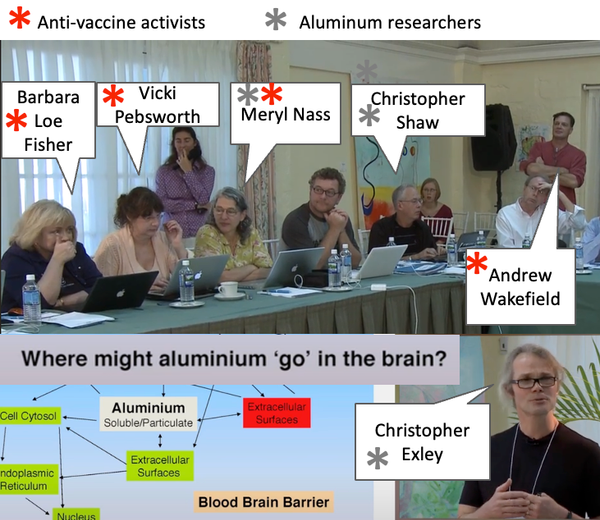
How we got to this point, that we never "nailed" this question of aluminum safety, and were "saved" by a Danish epidemiologist who had a last-minute "hunch," is a subject of a future story. But, as a top vaccine expert told me, "one study will not be enough."
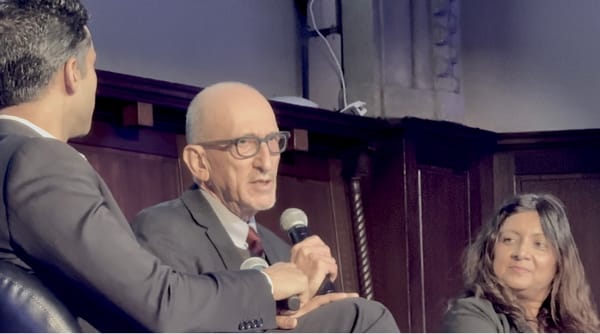
Brian Lehrer, the host of a daily NPR show bearing his name, broke my heart today. “It could be, sadly, that it’s going to be a lot of death and disease that ends this period,” he said in a panel at the New York Academy of Medicine on the topic of “how media shapes population health outcomes.”
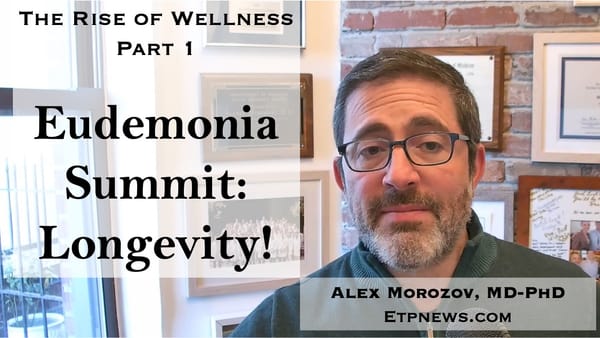
“Eudemonia at its core is the source of truth. It’s the place to discover what’s real and what isn’t. What is science and what is snake oil.”
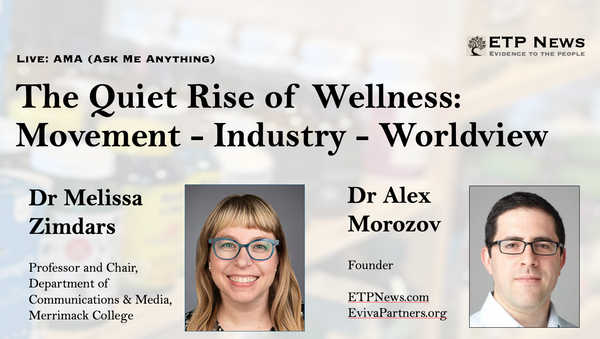
We are launching a multi-part series of investigative reporting and podcasts about Wellness. Who are the key voices? What is it like from a patient's perspective? How does wellness fit with evidence-based medicine? Will it start to be reimbursed by CMS? (Our prediction is Yes).
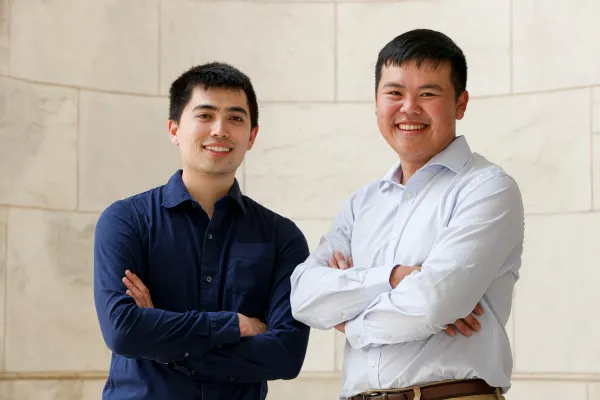
A recent analysis of 1500 American newspapers finds the overall rate of fully AI-written articles a shocking 5%, and “mixed” another 4%, for a total of 9%. The rate was higher for articles about technology - no surprise! (16%) and health - no good! (12%).

There is no term to describe the phenomenon of a public figure holding a dark secret for years before being exposed and falling from grace. So I borrowed one from Robert Louis Stevenson.

AI companies’ PR departments would much prefer their executives talked about other topics. An image of people teaching these purportedly all-powerful machines like babies - and the idea that they can be “adjusted” at any moment - does not exactly inspire investor confidence.
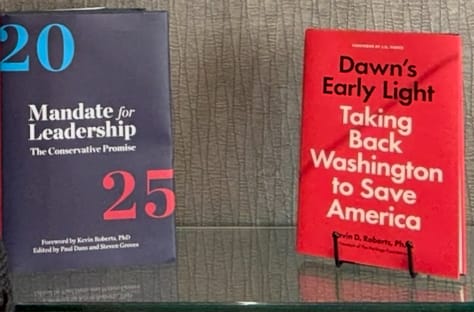
“Never again should public health bureaucrats be allowed to hide information, ignore information, or mislead the public.” - Project 2025.